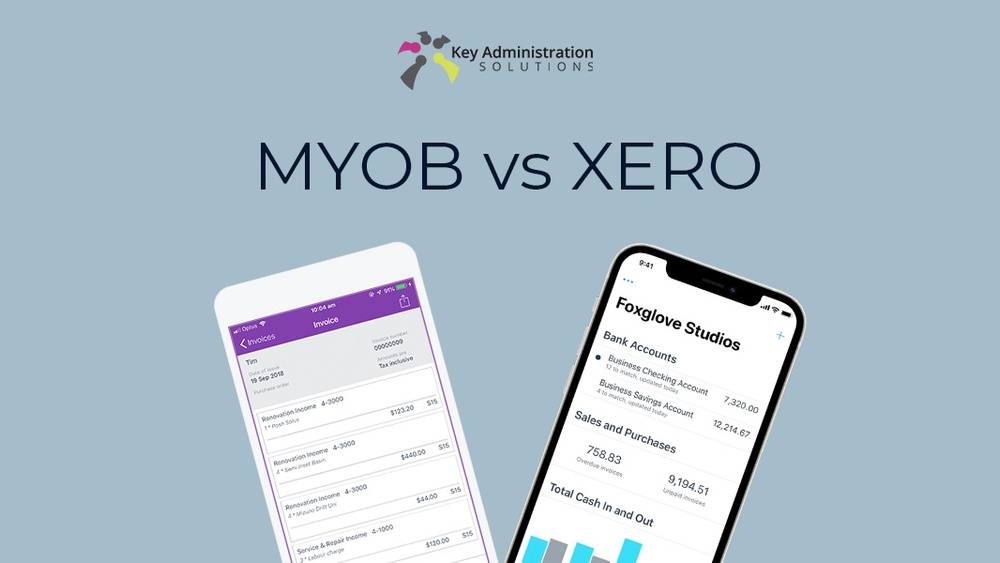

Choosing the right accounting software can feel overwhelming, especially when you want something simple but powerful. You’ve probably heard about MYOB Essentials and Xero, two popular options that promise to make managing your business finances easier.
But which one is truly the best fit for your needs? You’ll discover the key differences, benefits, and potential drawbacks of each. By the end, you’ll have a clear idea of which tool will save you time, reduce stress, and help your business grow.
Keep reading—you’re about to find the solution that works best for you.
Features Comparison
Choosing the right accounting software depends on features. Both MYOB Essentials and Xero offer tools to help manage business finances. Comparing their features helps find which fits your needs best.
Core Accounting Tools
MYOB Essentials and Xero both provide basic accounting functions. They handle bank reconciliation, financial reports, and GST tracking. Xero offers more automation for bank feeds. MYOB is easy for beginners with clear dashboards.
Invoicing And Billing
Xero has flexible invoicing options with customizable templates. It supports automatic reminders for unpaid invoices. MYOB Essentials allows quick invoice creation and sends payment reminders. Both make billing simple but Xero offers more design choices.
Expense Tracking
MYOB Essentials lets you capture receipts with a mobile app. It categorizes expenses automatically. Xero also offers receipt capture and links expenses to projects. Both help keep track of spending, but MYOB’s app is very user-friendly.
Inventory Management
MYOB Essentials includes basic inventory tracking. It updates stock levels after sales. Xero provides advanced inventory features like tracking items by location. Small businesses may find MYOB’s simpler system easier to use.
Payroll Integration
MYOB Essentials has built-in payroll for Australian and New Zealand users. It calculates taxes and superannuation automatically. Xero integrates with many payroll apps but does not include payroll in all plans. MYOB offers a more complete payroll solution out of the box.
Ease Of Use
Ease of use is a key factor for small business owners choosing accounting software. Both MYOB Essentials and Xero offer tools designed for simplicity. Yet, their user experiences differ in important ways. Understanding these differences helps users pick software that fits their skills and needs.
User Interface
MYOB Essentials has a clean and simple layout. Menus are clear, and icons guide users well. The dashboard shows important data at a glance. Xero’s interface is modern and visually appealing. It uses tabs and menus for easy navigation. Both platforms aim to reduce clutter and focus on key tasks.
Setup Process
MYOB Essentials offers a step-by-step setup wizard. It helps users add business details quickly. Bank feeds and tax settings are easy to configure. Xero’s setup is straightforward but offers fewer prompts. It may require more manual input initially. Both provide tutorials to assist new users.
Learning Curve
MYOB Essentials suits users with little accounting knowledge. Its guided steps reduce confusion. Xero has a slightly steeper learning curve. It offers more features that may require practice. Both platforms provide help centers and customer support. Users can find answers and tutorials online.
Pricing And Plans
Pricing plays a big role when choosing accounting software. Both MYOB Essentials and Xero offer different plans. Understanding their costs and features helps in picking the right one.
Subscription Costs
MYOB Essentials has three main plans. They start at a lower price than Xero. This makes it good for small businesses. Xero also offers three plans. Its prices are slightly higher but include more features. Both charge monthly fees. No long contracts. Users can switch plans anytime.
Value For Money
MYOB Essentials gives solid features for its price. It covers invoicing, payroll, and BAS lodgment. Xero offers advanced tools like project tracking and multiple currency support. It suits businesses needing extra functions. MYOB focuses on simplicity and essential tools. Xero targets businesses wanting more control and insights.
Free Trial And Demo Options
MYOB Essentials offers a 30-day free trial. Users can test all features without paying. Xero provides a 30-day free trial too. It also has many online tutorials. Both let users explore before paying. No risk. Helps make a clear choice.

Credit: onestopaccountinguserbasicsoftware.wordpress.com
Customer Support
Customer support plays a key role in choosing accounting software. Reliable help saves time and reduces stress. Both Myob Essentials and Xero offer support, but the quality and options differ. Understanding their support channels, response times, and help resources can guide your decision.
Support Channels
Myob Essentials provides support through email and phone. Phone support is available during business hours. Email responses may take longer. Xero offers 24/7 online chat and email support. Phone support is limited. Xero’s chat is helpful for quick questions. Myob’s phone support suits those who prefer speaking directly.
Response Time
Myob Essentials typically responds within one business day. Phone calls connect you instantly during office hours. Xero’s chat response is almost immediate. Email replies may take a few hours. Xero’s quick chat helps solve simple issues fast. Myob’s email may delay answers but offers detailed help.
Help Resources
Myob Essentials has a comprehensive knowledge base. It includes guides, videos, and FAQs. Xero provides an extensive help center with articles and tutorials. Both platforms update resources regularly. Xero’s community forums allow users to share tips. Myob focuses on clear step-by-step instructions. Both offer strong self-help options for users.
Mobile App Experience
Mobile apps let you manage your finances on the go. Both Myob Essentials and Xero offer apps for smartphones. These apps help you track expenses, send invoices, and check your accounts anytime. The experience differs between the two, affecting ease of use and productivity.
App Features
Myob Essentials app covers basic tasks like invoicing and bank reconciliation. It also allows receipt capture using the phone camera. Xero’s app offers similar features but includes project tracking and bill payments. Both apps support multi-currency and contact management. Xero has a wider range of tools within the app.
Performance
Myob Essentials app runs smoothly with quick load times. It uses less battery and data, suitable for low-end phones. Xero’s app is slightly heavier but offers more functions. It sometimes takes longer to sync data. Both apps get regular updates to fix bugs and improve speed.
User Ratings
Myob Essentials app scores around 4.0 on app stores. Users praise its simplicity and ease of navigation. Some find it lacks advanced features. Xero’s app rates about 4.3, valued for its comprehensive tools. Users report occasional syncing issues but like its design. Overall, both apps receive positive feedback from small business owners.
Integrations And Add-ons
Integrations and add-ons expand the power of accounting software. They help connect your software to other tools and services. This makes managing finances easier and faster. Both Myob Essentials and Xero offer many integration options. Understanding these can help you pick the right tool for your business needs.
Third-party Apps
Myob Essentials supports a smaller set of third-party apps. These apps cover invoicing, payroll, and inventory. Xero offers a larger app marketplace. It includes apps for time tracking, CRM, and project management. More apps mean more ways to customize your workflow. Choose software that matches your business tools.
Bank Feeds
Both Myob Essentials and Xero provide bank feed options. This feature links your bank accounts directly to the software. It imports transactions automatically each day. Xero supports a wider range of banks globally. Myob Essentials focuses mainly on Australian and New Zealand banks. Bank feeds save time and reduce manual errors.
Automation Tools
Xero offers advanced automation for invoicing and bill payments. It can send reminders and schedule payments automatically. Myob Essentials has basic automation features. It helps with recurring invoices and simple reminders. Automation reduces repetitive tasks and helps keep accounts up to date. Consider your automation needs before choosing software.
Security And Compliance
Security and compliance are vital for any accounting software. Both MYOB Essentials and Xero handle sensitive financial data. They focus on protecting this data and following laws. This section explores how each platform manages these key areas.
Data Protection
MYOB Essentials uses strong encryption to keep data safe. It limits access to authorized users only. Xero also encrypts data during transfer and storage. Both platforms use secure servers to reduce hacking risks. Regular security updates help protect against new threats. Users can set up two-factor authentication on both platforms.
Regulatory Compliance
MYOB Essentials meets Australian tax and financial laws. It supports GST reporting and BAS submissions. Xero complies with global accounting standards and local tax rules. Both software update regularly to follow changing regulations. This helps businesses avoid fines and penalties. They provide tools to help with audits and tax filings.
Backup And Recovery
MYOB Essentials automatically backs up data daily. It stores backups on secure, remote servers. Xero also offers automatic daily backups. It keeps multiple versions of your data for safety. Both platforms allow users to recover lost or deleted information. This reduces the risk of permanent data loss.
Suitability For Different Businesses
Choosing the right accounting software depends on the type of business you run. Myob Essentials and Xero serve different business needs. Each one fits certain business sizes and industries better.
Understanding which software suits your business helps save time and money. It also ensures your accounting tasks are easier and more efficient.
Freelancers And Sole Traders
Myob Essentials is simple for freelancers and sole traders. It offers easy invoicing and expense tracking. Users can manage BAS and tax tasks with less effort.
Xero also suits freelancers. It provides strong bank feed features and mobile access. This helps keep track of finances on the go.
Both platforms support basic business needs. Myob Essentials may feel more straightforward for beginners. Xero offers more automation, which can save time.
Small To Medium Enterprises
Small to medium businesses need more advanced features. Xero supports multiple users and detailed reporting. It integrates well with many business apps.
Myob Essentials offers solid payroll and inventory management. It fits businesses wanting straightforward accounting without complexity.
Xero’s cloud-based model allows easy collaboration with accountants. Myob Essentials is suitable for those preferring a simple setup.
Industry-specific Needs
Some industries require special features like job tracking or time billing. Xero offers many add-ons targeting industries like retail, construction, and services.
Myob Essentials includes tools for retail and hospitality businesses. It handles GST and payroll tailored for these sectors.
Choosing the right software depends on your industry’s unique demands. Consider the specific tools each platform provides before deciding.
Pros And Cons
Choosing between MYOB Essentials and Xero can be challenging. Each software has its own strengths and weaknesses. Understanding these can help you pick the right one for your business needs.
Myob Essentials Strengths And Weaknesses
MYOB Essentials is easy to use for small businesses. It handles payroll and invoicing well. The software supports tax calculations for Australian businesses.
It offers good customer support and simple setup. MYOB integrates well with other business tools. The mobile app allows basic accounting tasks on the go.
On the downside, MYOB Essentials has limited features for large businesses. The reporting tools can be less flexible. Some users find the interface outdated compared to competitors.
It lacks advanced inventory management options. The price can be higher for extra features. Users sometimes report slow updates and fewer integrations.
Xero Strengths And Weaknesses
Xero is popular for its cloud-based platform and ease of use. It offers strong bank reconciliation and invoicing features. The software supports multi-currency and many third-party apps.
Xero provides detailed financial reports and good collaboration tools. The mobile app is powerful and user-friendly. It suits businesses of all sizes due to its scalability.
On the downside, Xero’s pricing can be expensive for small startups. Payroll features are limited outside certain countries. Some users find the learning curve steeper than MYOB.
Customer support may take longer to respond. Certain features require third-party apps to work well. The interface might be overwhelming for beginners.
Credit: valueadders.com.au

Credit: www.youtube.com
Frequently Asked Questions
What Are The Key Differences Between Myob Essentials And Xero?
MYOB Essentials offers simple payroll and GST management, ideal for small Aussie businesses. Xero provides advanced integrations and global features, suited for growing companies with diverse needs.
Which Software Is Better For Small Business Accounting?
MYOB Essentials is user-friendly for small businesses focused on Australian tax rules. Xero excels with its extensive app marketplace and real-time collaboration, making it great for scaling businesses.
How Do Myob Essentials And Xero Handle Invoicing?
Both platforms offer customizable invoicing. MYOB Essentials has straightforward invoice tracking, while Xero supports automated reminders and multi-currency invoices for international clients.
Is Payroll Management Included In Both Myob Essentials And Xero?
MYOB Essentials includes built-in payroll features tailored to Australian laws. Xero provides payroll but often requires additional setup or integration, depending on your region.
Conclusion
Choosing between MYOB Essentials and Xero depends on your business needs. Both offer useful tools for small business accounting. MYOB Essentials suits those who want simple payroll features. Xero works well for users needing more integrations and reports. Consider your budget, ease of use, and specific functions.
Take time to explore free trials before deciding. This helps find the best fit for your daily tasks. Remember, the right software makes managing finances easier and saves time.
